
How to Get Rid of Scorpions in San Antonio
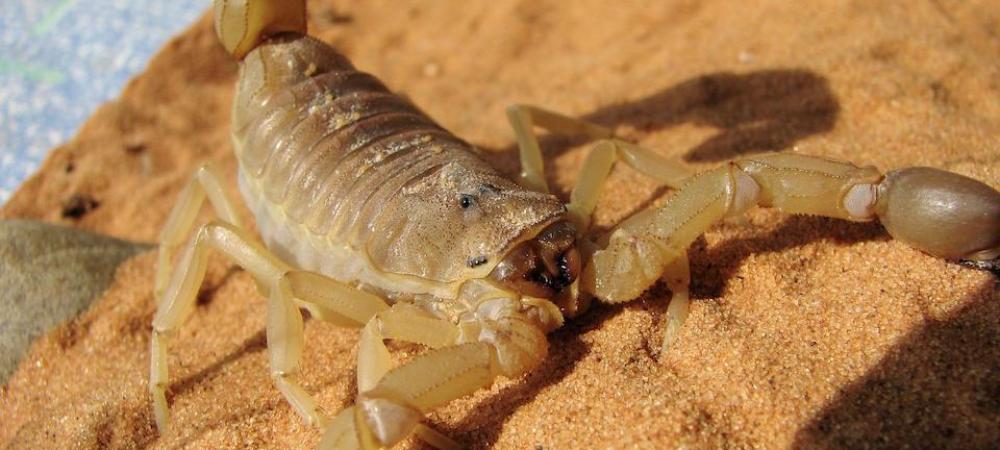
The fastest way to get rid of scorpions in San Antonio is to seal up cracks and gaps around your home's foundation, clear away woodpiles and rock piles where they hide, and cut off the food and moisture sources that attract them. For an active infestation, a professional treatment is usually needed since scorpions can hide deep in wall voids and attics where DIY products can't reach.
Why San Antonio Has a Scorpion Problem
San Antonio sits close to the Texas Hill Country, where rocky, dry terrain gives scorpions plenty of natural hiding spots. The area's warm climate means scorpions stay active for most of the year, and they're drawn into homes when temperatures spike in summer or dip in winter. Older neighborhoods with stone foundations, limestone landscaping, and mature trees tend to see more scorpion activity because these features create ideal hiding places close to the house.
Signs You Have a Scorpion Infestation
A few scorpion sightings around the yard doesn't always mean an infestation, but these signs point to a bigger problem:
- Scorpions showing up inside the house, especially at night
- Finding scorpions in shoes, closets, or piles of laundry
- Discovering shed exoskeletons (scorpions molt as they grow)
- Seeing an increase in crickets, roaches, or other insects scorpions feed on
- Spotting scorpions glowing under a blacklight in the yard after dark (they fluoresce under UV light)
How to Get Rid of Scorpions Yourself
Homeowners can reduce scorpion activity with a few consistent habits, though these steps work best for prevention rather than solving an active infestation.
Seal entry points
Scorpions can squeeze through gaps as thin as a credit card. Check weatherstripping and caulk foundation cracks.
Remove harborage areas
Clear woodpiles, leaf litter, and loose rocks away from the foundation.
Reduce moisture and food
Fix leaky faucets and address indoor pests like crickets or roaches.
Switch outdoor lighting
Yellow or sodium-vapor bulbs attract fewer of the bugs scorpions hunt.
DIY Prevention vs. Professional Treatment
| DIY prevention | Professional treatment | |
|---|---|---|
| Best for | Occasional sightings, general prevention | Recurring or indoor sightings |
| Reaches | Visible, accessible areas only | Wall voids, attics, foundation gaps |
| Addresses eggs/juveniles | Rarely | Yes, with follow-up visits |
Are Scorpions in San Antonio Dangerous?
Most scorpions found in the San Antonio area deliver a sting similar to a bee sting, causing localized pain, swelling, and numbness that fades within a day or two. While the striped bark scorpion is the most commonly encountered species in the region, anyone stung should still monitor symptoms closely and contact a doctor if symptoms worsen.
Any sting that causes difficulty breathing, muscle spasms, or severe swelling should be treated as a medical emergency, since reactions can be more serious for young children, elderly individuals, or people with allergies.
How Anytime Pest Elimination Handles Scorpion Problems
It's time to call a professional when scorpions keep showing up indoors, turn up in living spaces like bedrooms, or come back season after season. Store-bought sprays only kill on contact and can't reach scorpions hiding in wall voids or attics, which is where most of the population actually lives.
Anytime Pest Elimination treats scorpion infestations with exterior barrier treatments, dust applications in hard-to-reach voids, and follow-up visits to catch newly hatched scorpions before they mature. A local technician who knows San Antonio conditions is the most reliable way to find entry points and harborage zones a homeowner might miss.
Dealing with scorpions in your San Antonio home?
Visit our San Antonio pest control page or reach out below.
Frequently Asked Questions
What attracts scorpions to homes in San Antonio?
Scorpions are drawn to homes by moisture, hiding spots like woodpiles and clutter, and the presence of insects they feed on such as crickets and roaches. Homes near rocky landscaping or mature trees tend to see more activity.
Do scorpions in San Antonio bite or sting?
Scorpions sting rather than bite, using the stinger at the end of their tail. Most stings from local species cause pain and swelling similar to a bee sting rather than a medical emergency.
How long does professional scorpion treatment take to work?
Most homeowners notice a significant drop in scorpion activity within one to two weeks of treatment, though a follow-up visit is often needed to address newly hatched scorpions and confirm entry points are fully sealed.
Can I get rid of scorpions without an exterminator?
Sealing entry points, removing harborage areas, and reducing moisture can lower scorpion activity, but these steps mainly prevent new scorpions from getting in. An existing infestation hiding in wall voids or attics usually requires professional treatment to fully resolve.
What time of year are scorpions most active in San Antonio?
Scorpions are most active during warmer months, typically from spring through early fall, though the mild San Antonio climate means some activity can continue year-round.