
How to Prevent Bed Bugs in Your Texas Home
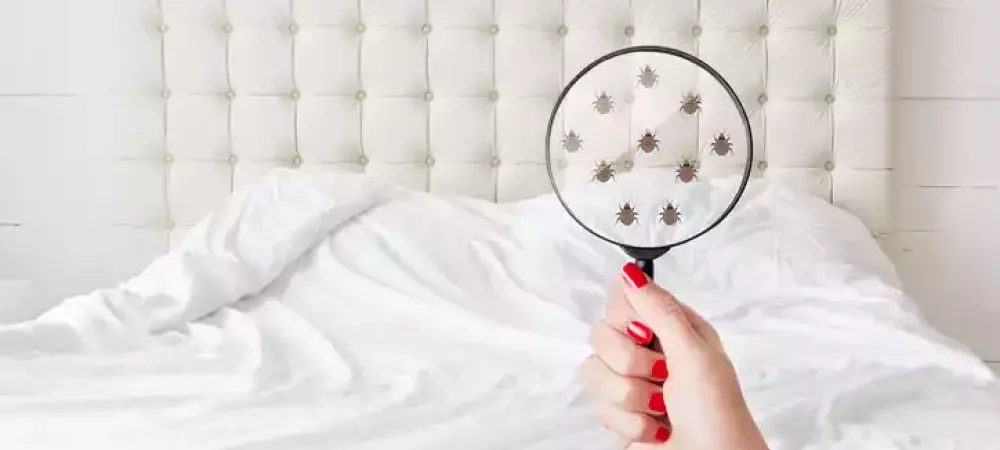
Preventing bed bugs comes down to reducing three things: hiding spots, opportunities to hitchhike into your home, and delayed detection. Regular inspections, mattress encasements, decluttering, and travel precautions are the most effective ways to keep bed bugs out of a Texas home.
Why Bed Bug Prevention Matters in Texas
Bed bugs spread easily in places with high turnover, like hotels, apartment complexes, and rental properties. Texas's warm climate also helps bed bugs reproduce faster once they find a way inside, so a small problem can turn into a full infestation quickly if it goes unnoticed. Prevention is far less costly and disruptive than treating an established infestation.
Prevention Tips for Your Home
Inspect Your Home Regularly
Regular inspections are the most reliable way to catch bed bugs before they spread.
- Check for bed bugs during routine cleaning, especially in bedrooms and around furniture.
- Pay close attention to mattress seams, bed frame joints, and baseboards, since these are the most common hiding spots.
- Look for early signs like pearly white eggs or small dark spots (droppings) on sheets, not just live bugs.
Not sure what you're looking for? See our guide on identifying bed bugs at every life stage, covering what eggs, nymphs, and adults look like.
Reduce Clutter
Clutter gives bed bugs more places to hide and makes inspections harder.
- Keep bedrooms and furniture areas free of piles of clothing, bags, or boxes.
- Reduce the number of items stored under beds, since this is a common hiding spot.
- A tidier space is also a faster space to inspect, which helps you catch problems earlier.
Use Mattress and Pillow Encasements
Encasements create a physical barrier that keeps bed bugs out.
- Use encasements specifically designed for bed bug prevention, not general dust covers.
- Encasements prevent bed bugs from entering or escaping a mattress or pillow, which limits where they can hide and breed.
- Check encasements periodically for tears or gaps where bugs could get in or out.
Take Precautions When You Travel
Given Texas's popularity as a travel destination, hotels and rental properties are one of the most common ways bed bugs enter a home.
- Inspect hotel mattress seams and headboards before unpacking.
- Keep luggage off the bed and floor when possible, using a luggage rack instead.
- Inspect luggage and belongings carefully before bringing them back into your home after a trip.
What to Do If You Suspect Bed Bugs
If you notice signs of bed bugs despite taking preventive steps, early action matters. Contact a professional pest control team to confirm the infestation and get an inspection before it spreads to other rooms.
Common Bed Bug Prevention Mistakes
Avoiding bed bugs isn't just about what you do, it's also about avoiding a few common missteps that let them slip through.
- Assuming a clean home means a safe home. Bed bugs aren't attracted to dirt or food like some other pests. They're drawn to warmth, carbon dioxide, and blood meals, so even a spotless home can get an infestation if bugs hitchhike in.
- Using store-bought sprays as a first response. Over-the-counter sprays often scatter bed bugs into new hiding spots instead of eliminating them, which can turn a contained problem into a spread-out one that's harder to treat.
- Waiting to inspect after a trip. Many homeowners unpack directly into closets and dressers without checking luggage first, which is one of the most common ways bed bugs establish themselves in a new home.
- Only checking the mattress. Bed bugs also hide in bed frames, baseboards, electrical outlets, and furniture seams near sleeping areas. A mattress-only inspection can miss an active infestation.
Frequently Asked Questions
How often should I check my home for bed bugs?
Check for bed bugs during routine cleaning, especially in bedrooms, focusing on mattress seams, bed frames, and baseboards. Increase inspections after travel or having overnight guests.
Do mattress encasements really prevent bed bugs?
Mattress encasements designed for bed bug prevention create a physical barrier that keeps bed bugs from entering or escaping a mattress, which limits their ability to hide and breed.
How do bed bugs get into a home?
Bed bugs most often enter homes through luggage, clothing, or furniture that has come into contact with an infested space, such as a hotel room or rental property.
Can bed bugs be prevented completely?
There's no guaranteed way to prevent bed bugs completely, since they can hitchhike in from public spaces, travel, or visitors. Regular inspections and the prevention steps above significantly reduce your risk.
Do bed bugs go away on their own?
No. Bed bugs don't leave on their own and will continue to reproduce if left untreated. An infestation that goes unaddressed typically grows larger and spreads to more rooms over time.
Does a clean home mean I won't get bed bugs?
No. Bed bugs are attracted to warmth, carbon dioxide, and blood meals, not dirt or food, so cleanliness alone doesn't prevent an infestation. Regular inspections matter more than tidiness for catching bed bugs early.
Think Bed Bugs Have Already Gotten In?
Get an inspection from our local Texas bed bug specialists.
Get an Inspection