
Can You Use Mothballs for Pest Control?
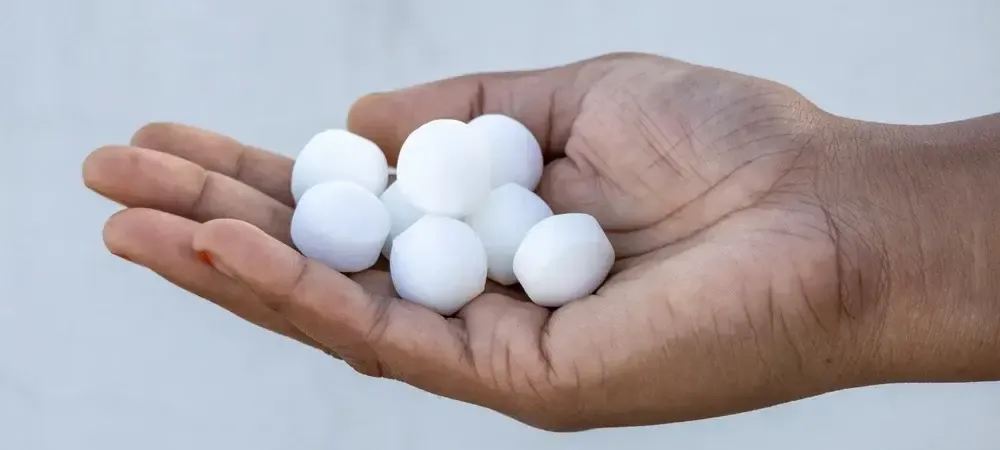
Mothballs can repel certain pests — including moths, some rodents, and a handful of insects — but they are not a reliable standalone pest control solution. They work as a short-term deterrent in sealed, enclosed spaces like attics and storage areas. They will not eliminate an active infestation, and misusing them indoors creates real health risks for people and pets.
What Are Mothballs and How Do They Work?
Mothballs are small chemical pellets made from either naphthalene or paradichlorobenzene. Both compounds release a strong vapor as they slowly dissolve. That vapor is what repels pests — it's not a toxin that kills on contact, but a scent irritant that makes the treated area unpleasant or disorienting for certain insects and rodents.
The concentration of vapor matters. Mothballs are designed to work in sealed, enclosed spaces — like a cedar chest or garment bag — where the vapor can build up to a level that affects pests. In open rooms or outdoor areas, the vapor disperses too quickly to do much.
Which Pests Do Mothballs Repel in Texas?
Texas's heat and humidity accelerate pest pressure year-round. Here's a clear breakdown of where mothballs have some documented effect — and where they don't.
Moths
Mothballs were originally developed to protect stored clothing from clothes moths and their larvae. Naphthalene and paradichlorobenzene are toxic to moth larvae at the concentrations achieved in sealed storage containers. This is where mothballs work best and most reliably.
Most effective useRodents (Mice & Rats)
Mice and rats have a highly sensitive sense of smell. The sharp odor of mothballs may discourage exploration near entry points like attic vents, crawl space gaps, and garage corners. However, rodents adapt — if food or shelter is compelling enough, they will tolerate the smell and enter anyway.
Light deterrence onlyNot a substitute for sealing entry points
Ants
The vapor from mothballs can disrupt the scent trails ants use to navigate and communicate. Placing mothballs near entry points like door thresholds, window gaps, or wall cracks may reduce ant traffic in that immediate area.
Minor entry point deterrenceWill not address an established colony
Cockroaches
Cockroaches avoid areas with strong mothball odor, but this avoidance is inconsistent and temporary. Houston-area cockroaches — particularly American and German cockroaches — are persistent pests that require targeted treatment, not just scent deterrents.
Minor deterrence onlySpiders, Silverfish & Centipedes
These pests generally dislike the odor and may avoid areas where mothballs are present. Effectiveness is anecdotal and limited — not a reliable control method for active populations.
Anecdotal — limited effectivenessHow to Use Mothballs Safely
Mothballs are federally regulated pesticides in the United States. The EPA requires that they be used only according to label directions.
- Use only in sealed, enclosed spaces — not open rooms, closets people regularly enter, or living areas.
- Keep out of reach of children and pets — ingestion is toxic and can cause liver damage and hemolytic anemia.
- Do not place loose mothballs in attics or crawl spaces without containment — fumes travel through walls and HVAC systems into living spaces.
- Use mesh bags or sealed containers to contain the vapor and allow controlled placement.
- Never use mothballs outdoors to repel wildlife, deer, or snakes — this is an off-label use and is illegal under federal pesticide law.
Where Mothballs Are (and Aren't) a Good Fit
| Location | Appropriate? | Notes |
|---|---|---|
| Sealed storage containers with clothing | Yes | Original intended use — most effective here |
| Attic storage areas (contained in bags) | With caution | Keep sealed; do not scatter loosely |
| Crawl spaces | Use caution | Fumes can migrate into living areas |
| Garage corners and entry points | Limited use | Ventilation reduces effectiveness quickly |
| Kitchen, bathrooms, living areas | No | Health risk; off-label use |
| Outdoors (yard, garden) | No | Illegal off-label use; not effective |
When Mothballs Are Not Enough
Mothballs address the symptom — pests near a treated area — but not the cause: why pests are entering, nesting, or thriving in your home. In Texas, pest pressure is driven by structural access points, moisture, food availability, and landscaping. None of those are addressed by a scent deterrent.
Signs you need professional pest control:
- You're seeing live rodents or rodent droppings regularly
- Ant trails are persistent and reappear after disruption
- Cockroach activity is occurring in kitchens or bathrooms
- You've found evidence of nesting in your attic, walls, or crawl space
- Pest activity has continued for more than two weeks despite DIY efforts
Frequently Asked Questions
Still Dealing With Pests? Let's Fix It For Good.
Mothballs can mask the problem — but they can't solve it. Our team inspects your home, finds where pests are getting in, and builds a treatment plan that actually works. Serving Houston, San Antonio, Austin, College Station, and surrounding Texas communities.
Contact Us Today!