
How Are Mice and Rats Getting Into My House in Austin?
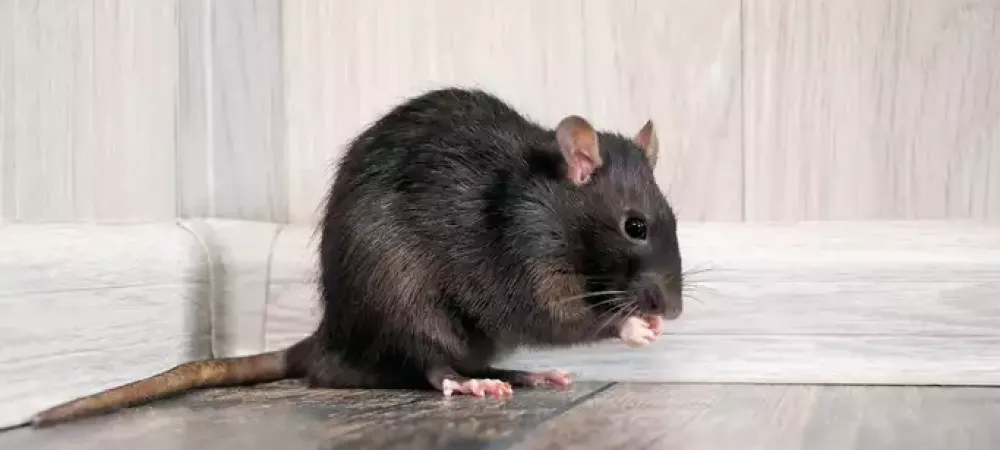
Mice and rats get into Austin homes most often through small gaps around utility pipes, cracks in aging slab foundations, gaps under garage doors, and openings where rooflines meet exterior walls. A mouse can squeeze through a gap as small as a quarter of an inch, and a rat needs only about a half-inch, so the openings that let rodents in are usually ones a homeowner would walk right past without a second look.
Common Rodent Entry Points in Austin Homes
Rodents are opportunistic, and they will use whatever gap gets them out of the weather and closer to food. These are the entry points our technicians find most often across Austin homes.
- Utility and pipe penetrations. Gaps around where water lines, gas lines, or cable and internet lines enter the house are rarely sealed tightly enough to keep rodents out, and the original builder's spray foam often shrinks or crumbles years after installation, reopening a path that looked sealed at first.
- Foundation cracks and vents. Slab foundations that have shifted over the years, along with foundation vents that have lost their screens, give rodents a direct path into crawlspaces and wall voids. Even a hairline crack can widen enough for a mouse within a single season of soil movement.
- Garage door gaps. A garage door that does not sit flush against the ground, especially after the rubber seal wears down in Austin's heat, is one of the most common entry points we see. Garages also tend to store pet food, cardboard, and clutter, which gives rodents a reason to stay once they are in.
- Roofline and eave gaps. Where the roof meets the fascia or soffit, gaps from settling, sun damage, or storm damage give rats easy access to attics. These gaps are often invisible from the ground, which is why attic rodent activity can go unnoticed for months.
- Weep holes in brick veneer. Common in Austin's brick homes, these small gaps are built in for drainage, but without a rodent guard they double as an entrance. Many Austin homes built before rodent guards became standard practice still have every weep hole wide open.
- Gaps around windows and doors. Warped frames or worn weather stripping create openings, particularly in Austin's older housing stock, where original wood window frames have had decades to shrink and shift.
-
Utility and pipe penetrationsCheck where water, gas, or cable lines enter the house for gaps in the sealant.
-
Foundation cracks and ventsLook for cracks along the slab and vents missing their screens.
-
Garage door sealCheck the bottom seal sits flush against the ground on all sides.
-
Roofline and eave gapsCheck where the roof meets the fascia or soffit, using binoculars if needed.
-
Weep holes in brick veneerCheck that open weep holes have a rodent guard installed.
-
Window and door framesCheck for warping or worn weather stripping, especially on older homes.
Why Austin Homes Are Especially Vulnerable
Austin's mix of long-established neighborhoods and newer construction on the edges of the city creates rodent pressure for different reasons depending on where a home sits. Three factors drive most of the vulnerability we see across the market.
- Shifting clay soil in older neighborhoods. Homes in long-established parts of Austin often sit on slab foundations that have shifted over decades because of the region's expansive clay soil, opening up cracks that were not there when the house was built.
- Proximity to greenbelts in newer construction. Newer homes near the edges of the city tend to back up to greenbelts, creek corridors, or undeveloped land, which puts them closer to natural rodent habitat and gives rodents more incentive to look for a way indoors as the seasons change.
- Mild winters that keep rodents active. Rodents here do not slow down the way they would in a harsher climate, so they stay active and searching for entry points nearly year-round. A brief cold snap, which Central Texas gets several times each winter, is often the exact trigger that pushes a mouse or rat to make its move toward a warm house rather than staying outdoors.
Once a rodent finds one of these openings, it will keep using it and often widen it over time, which is why gaps that seem minor at first tend not to stay that way. We cover how to spot the early warning signs of an infestation and how to properly seal these entry points in more detail in separate guides, since each deserves its own close look.
How Home Age Affects Entry Points in Austin
The entry points that show up most depend heavily on when an Austin home was built. The table below breaks down what to expect by construction era.
| Construction Era | Most Common Entry Points |
|---|---|
| 1960s–1980s (common in Central and South Austin) | Unguarded weep holes, unscreened foundation vents, gaps at warped window frames |
| 1990s–early 2000s | Gaps under worn garage door seals, gaps around settled fascia boards, gaps at degraded pipe sealant |
| New construction (Austin’s edges) | Gaps around new utility penetrations, gaps under garage doors before seals wear in, gaps at unsealed foundation edges |
Weather-Driven Damage That Opens New Gaps
Beyond gradual wear, specific weather events accelerate entry point formation in Austin more than in most markets.
- Drought and rain cycles. Extended summer drought causes clay soil to pull away from the foundation and shrink, and when rain finally returns the soil swells back. That expansion and contraction cycle is what drives most of the foundation cracking we see.
- Winter freeze events. Hard freezes, including the kind Central Texas has seen in recent years, can crack exposed pipes, fascia, and caulking that was never built to handle a sustained freeze, leaving new gaps behind once temperatures warm back up.
- Heavy spring storms. High winds can lift shingles or loosen fascia boards, opening a roofline gap that a homeowner may not notice until a rat has already moved into the attic.
Frequently Asked Questions
How small of a gap can a mouse fit through?
A mouse can squeeze through a gap as small as a quarter of an inch, roughly the width of a pencil. Rats need slightly more room, typically a gap of about a half-inch or larger.
Can rodents get in through the attic even if my foundation is sealed?
Yes. Rats are strong climbers and frequently enter through roofline gaps, damaged soffits, or gaps where utility lines run into the attic, without ever touching the foundation.
Why do Austin homes get so many foundation gaps compared to other areas?
Central Texas has expansive clay soil that swells and contracts with moisture changes, which causes slab foundations to shift and crack over time. That movement is a major reason Austin homes develop rodent entry points that homes on more stable soil do not.
Are older Austin homes more likely to have rodent entry points?
Yes. Homes from the 1960s through the 1980s were typically built before rodent guards were standard on weep holes and foundation vents, so those original features are often wide open, and decades of slab movement adds even more gaps over time. Newer homes tend to have tighter original construction, with entry points coming more from wear on garage seals and pipe sealant than from the original design, though homes near greenbelts or open land can still see just as much rodent pressure from outside.
What time of year are mice and rats most active in Austin?
Because Austin winters are mild, rodents stay active nearly year-round. Activity often increases during brief cold snaps, when rodents look for warmer places to nest.
Can weather events actually create new rodent entry points?
Yes. Austin’s drought and rain cycles cause clay soil to shrink and swell, which drives most foundation cracking, and hard freeze events can crack exposed pipes, fascia, and caulking that then leave new gaps once temperatures warm back up.