
Scorpions in Texas: Identification, Season, and How to Keep Them Out
If you've spotted a scorpion in your Texas home, you're not alone. Texas is home to more scorpion species than almost any other state, and with warm-weather activity already picking up this year, homeowners are seeing them show up indoors more often. Here's what to know about identifying them, when they're most active, and how to keep them from getting inside.
What Do Texas Scorpions Look Like?
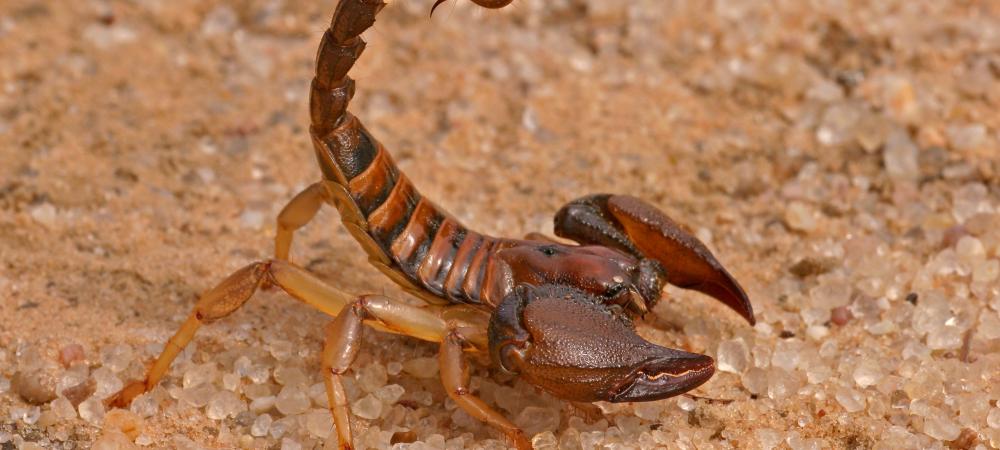
The scorpion you're most likely to run into in Texas is the striped bark scorpion. It's tan to yellowish-brown with two dark stripes running down its back, and it typically measures around 2 to 3 inches long, including the tail. Like all scorpions, it has eight legs, a pair of pincers, and a curved tail tipped with a stinger.
Striped bark scorpions are excellent climbers, which means they can show up in unexpected places, like on walls, in attics, or inside shoes and boxes left in storage. One lesser-known fact: scorpions glow a pale blue-green under UV or blacklight, which is why pest professionals sometimes use blacklights at night to locate them around a property.
When Are Scorpions Most Active in Texas?
Scorpions are most active during the warmer months, generally from spring through early fall. They prefer nighttime activity and tend to hide during the day in cool, dark, undisturbed spots. Texas's long warm season means scorpion activity can stretch on longer here than in cooler climates, and a mild winter can mean earlier activity the following spring.
Why Do Scorpions Get Into Homes?
Scorpions typically end up indoors while searching for food, moisture, or shelter. Common reasons they find their way into a Texas home include gaps around windows, doors, and utility lines, which give them easy access points. Woodpiles, rock piles, and dense landscaping near the foundation give them a place to hide close to the house, while moisture from leaky pipes or poor drainage attracts both scorpions and the insects they feed on. Clutter in garages, attics, and storage areas also creates ideal hiding spots.
How to Keep Scorpions Out of Your Home
A few proactive steps can go a long way toward keeping scorpions outside where they belong:
- Seal cracks and gaps around your home's foundation, windows, and doors
- Trim back vegetation and remove woodpiles or debris from around the perimeter of your home
- Fix leaky faucets and improve drainage to reduce excess moisture
- Keep garages, attics, and storage spaces decluttered
- Shake out shoes, boots, and clothing that have been left in a garage or storage area
When to Call a Professional
If you're finding scorpions inside your home despite your best prevention efforts, it may be time to call in a professional. Anytime Pest Elimination's technicians have over 32 years of experience treating Texas homes for scorpions and other pests, and know the specific entry points and hiding spots common to this region.
FAQ
The most common scorpion in Texas is the striped bark scorpion, which is tan to yellowish-brown with two dark stripes on its back and measures 2 to 3 inches long.
Scorpions are most active from spring through early fall, especially at night, though Texas's warm climate can extend their activity season.
Scorpions enter homes while searching for food, moisture, and shelter, often through gaps around windows, doors, and utility lines.
Yes. Striped bark scorpions are strong climbers and can scale walls, brick, and stucco, which is how they end up in attics, on ceilings, and inside upper cabinets.
Scorpions are drawn to yards with woodpiles, rock piles, leaf litter, and dense landscaping near the foundation, since these spots offer shade, moisture, and a steady supply of insects to eat.
Removing scorpions already indoors typically involves locating and sealing entry points, reducing hiding spots like clutter and stacked boxes, and treating the property with a professional pest control service.