
What to Do If You Have Termites in Your Texas Home
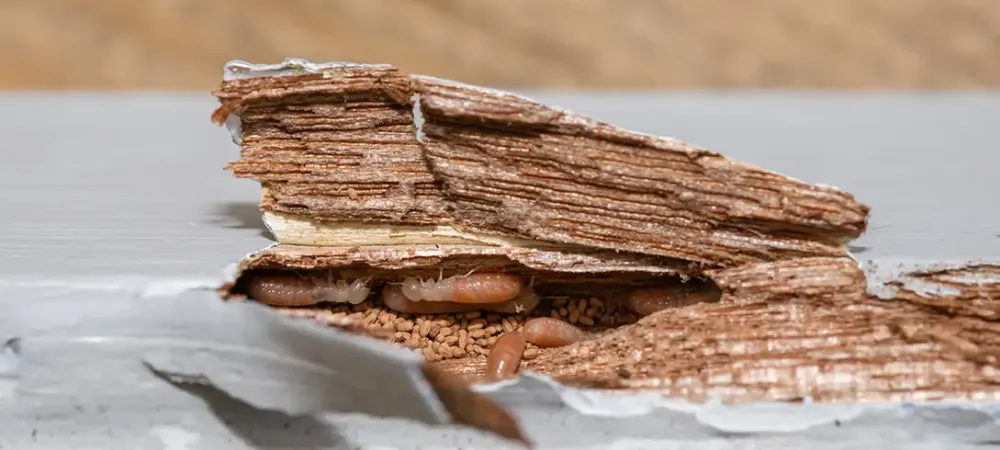
Texas ranks among the highest-risk states in the country for termite activity. The combination of warm winters, high humidity (especially along the Gulf Coast and in Central Texas), and clay-heavy soils creates near-perfect conditions for subterranean termites — the most destructive species in the U.S. In Houston, Austin, and San Antonio, termite season doesn't have a clear end date. Colonies remain active most of the year, and a mature colony can have over a million workers feeding around the clock.
Step 1: Recognize What You're Actually Dealing With
Texas homeowners most commonly encounter two termite types: subterranean termites (found statewide, most destructive) and drywood termites (more common in coastal areas like Galveston and Corpus Christi). Each leaves different signs.
- Mud tubes on foundation walls, piers, or crawl space beams
- Wood that sounds hollow when tapped
- Sagging floors or doors that suddenly stick
- Visible galleries (tunnels) running with the grain of wood
- Frass — small pellet-shaped droppings near baseboards or window frames
- Tiny exit holes in wood surfaces
- Discarded wings near windowsills
- Swarmer activity in spring, especially after rain — winged termites emerging indoors or near windows
- Paint that bubbles or cracks without an obvious moisture source
- Pinholes or hairline cracks in drywall
Termite swarmers vs. flying ants: Termite swarmers are often mistaken for flying ants. The easiest way to tell them apart: termites have straight antennae, equal-length wings, and a thick waist. Flying ants have elbowed antennae, unequal wings, and a pinched waist. Learn more about when termites swarm in Texas and how to protect your property.
Step 2: Don't Make Things Harder for the Inspector
When you find evidence of termites, your instinct may be to clean it up or poke at it. Hold off. Here's what NOT to do before a professional arrives:
- Don't break or remove mud tubes. The inspector needs to see them to determine species and activity level.
- Don't treat the area with a store-bought spray. This can scatter the colony and make it harder to locate the nest.
- Don't move damaged wood or furniture away from where it was found.
- Don't delay calling for an inspection. Termite damage is cumulative. Every day matters.
What you can do: Photograph what you found, note where and when you saw it, and call a licensed Texas pest control company as soon as possible.
Step 3: Get a Professional Inspection — Here's What to Expect
A licensed termite inspector will examine your foundation, crawl spaces, attic, wood-to-soil contact points, and interior. They'll assess:
- Whether the infestation is active or historical
- Which species are present
- The extent of damage
- The best treatment method for your specific home and termite type
In Texas, termite inspections are often required for real estate transactions (WDI reports). If you're buying or selling, this inspection is separate from a general home inspection and must be performed by a licensed pest control operator.
Step 4: Understand Your Treatment Options
The right treatment depends on the termite species, the severity of the infestation, and your home's construction. Here's how the main options break down:
Liquid Termiticide
The most common treatment in the Houston and Austin metro areas. A licensed technician trenches and treats the soil around your foundation, creating a continuous chemical barrier. Termites pass through it and carry it back to the colony. Highly effective against subterranean termites and long-lasting — often 10+ years with proper application.
Termite Baiting Systems
Stations are installed in the ground around your home. Termites find and consume the bait, which spreads through the colony. Works more slowly than liquid treatment but is an excellent option for ongoing monitoring and homes where soil treatment isn't practical. Many Texas homeowners keep a baiting plan in place year-round after initial treatment.
Fumigation (Tenting)
Used for drywood termite infestations that have spread widely through a structure. The entire home is sealed and filled with fumigant gas, which requires vacating for 2-3 days. Not effective against subterranean termites — more common in coastal Texas markets where drywood species are prevalent.
Localized/Spot Wood Treatment
For small, isolated drywood termite activity, foams or injected termiticides can be applied directly to infested wood. Less disruptive than full fumigation, but only effective when the infestation is truly contained to a specific area.
Not sure which option is right for your home? Read our full breakdown: Termite Treatment Options: Which One Is Right for Your Home?
Step 5: Prevent Re-Infestation
Treatment eliminates the current colony. Preventing a new one requires making your home less attractive to termites long-term.
- Fix dripping faucets, hose bibs, and HVAC condensation lines that drain near the foundation
- Make sure gutters and downspouts direct water away from the house
- Improve drainage in areas where water pools after rain
- Keep mulch, firewood, and wood debris at least 12-18 inches from your home's foundation
- Avoid letting soil touch wood siding, deck posts, or fence boards connected to the house
- Texas's climate means termites are never fully "off season." Annual inspections catch new activity before it becomes a major infestation.
- Many pest control companies in Texas offer annual termite monitoring plans that include inspections and bait station maintenance.
For a deeper look at what draws termites to your home in the first place, see: Are You Inviting Termites In? Discover How to Avoid Termite Infestation
Frequently Asked Questions About Termites in Texas
A mature subterranean termite colony in Texas can consume about a foot of a 2x4 board in roughly 5-6 months under optimal conditions. Given Texas's climate, conditions are often optimal. Significant structural damage can develop within 3-5 years of an untreated infestation.
Generally, no. Most standard homeowners insurance policies in Texas exclude termite damage because it's considered a preventable maintenance issue. This is one of the strongest arguments for annual inspections — catching an infestation early is far less expensive than repairing structural damage out of pocket.
Yes, in most Texas regions. Subterranean termites slow down slightly in unusually cold winters, but Houston, San Antonio, and coastal areas rarely get cold enough to significantly interrupt colony activity. Swarming season typically peaks March through May, but feeding continues year-round.
Frass (drywood termite droppings) is uniform in shape — small, oval pellets that look like grains of sand or coffee grounds. Sawdust from woodworking is irregular and stringy. If you see tidy piles of uniform pellets near wood, that's frass.
Over-the-counter products exist, but they're rarely sufficient for an established Texas infestation. Subterranean termites nest deep in the soil and require professional-grade termiticides applied at precise concentrations and locations. DIY treatment often delays effective professional treatment and gives the colony more time to spread.
Seeing Signs of Termites in Your Texas Home?
Anytime Pest Elimination serves Houston, Austin, San Antonio, and communities across Texas with termite inspections and treatments.