
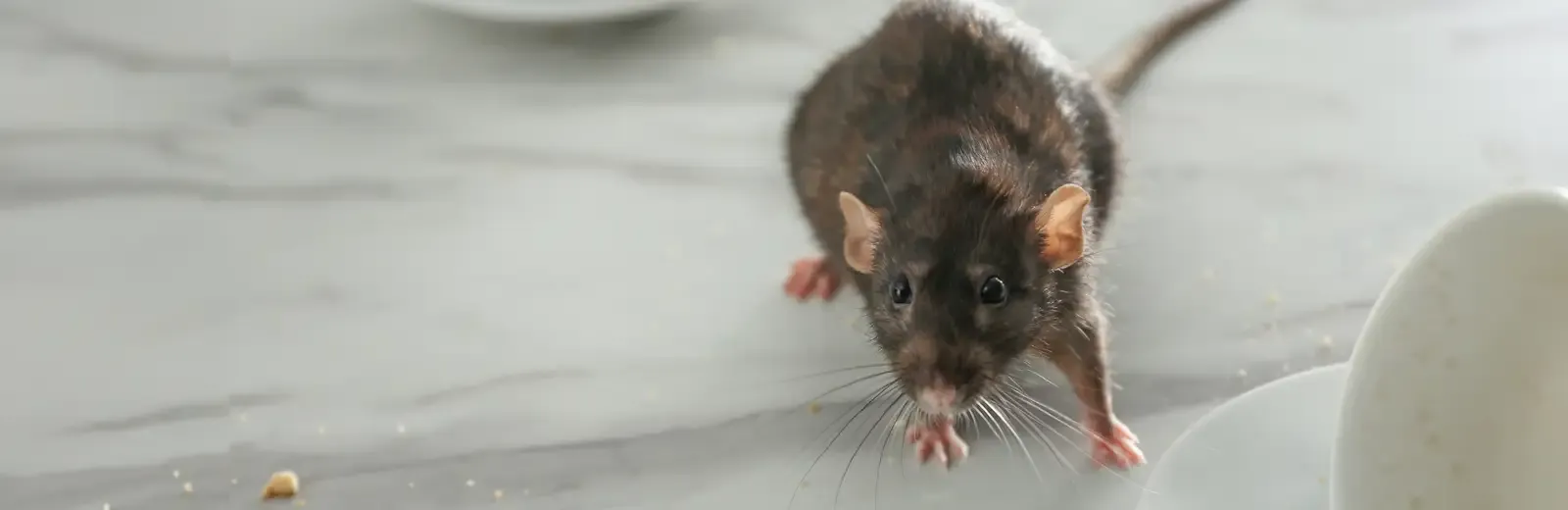
Get a fast, free rodent inspection with rodent exclusion options to reduce risk and restore peace of mind. We find entry points as small as 1/4 inch and help seal them to keep rodents out!
Rodent Control in Baytown, TX
Rodent problems are common in Baytown, TX, especially in neighborhoods near Burnet Bay, Tabbs Bay, and throughout growing areas along Garth Road and I-10. The combination of Gulf Coast humidity, older homes, new construction, and nearby industrial areas creates ideal conditions for rats and mice to find shelter. Once inside, they contaminate food, leave droppings in attics and wall voids, chew through insulation and wiring, and multiply quickly.
Anytime Pest Elimination was founded right here in Baytown, Texas, in 201,2 and brings over 30 years of pest control experience to every job!
Our professional rodent control services in Baytown include:
- Comprehensive rodent inspections to identify entry points, nesting areas, and activity zones.
- Targeted trapping and removal using safe, effective methods.
- Rodent exclusion and entry point sealing to prevent future infestations.
- Exterior bait station installation for proactive perimeter protection.
- Attic and crawl space treatments for hidden rodent activity.
- Sanitation recommendations and prevention planning to reduce long-term risk.
- Residential and commercial rodent control programs tailored to your property.
- Emergency rodent services available for urgent infestations.
Rodents do not go away on their own, and early action makes all the difference. If you are seeing droppings, hearing scratching in the walls, or noticing gnaw marks around your home or business, it is time to bring in a professional team. Contact us today for a free inspection and let our local experts eliminate the problem at its source!

Our Rodent Control Services in Baytown

Our Proven Rodent Control Process in Baytown, TX
At Anytime Pest Elimination, we do more than remove visible rodents. Our rodent control process in Baytown is designed to locate the source of the problem, eliminate active infestations, and prevent rats and mice from returning.
Step 1: Detailed Rodent Inspection
Every service begins with a thorough inspection of your home or business. Rodents can squeeze through openings as small as ¼ inch, making it easy for them to access attics, crawl spaces, garages, and wall voids.
During the free rodent inspection, we:
- Identify active rodent entry points.
- Locate nesting areas and travel routes.
- Check attics, crawl spaces, perimeter siding, doors, and windows.
- Assess damage to insulation, wiring, and structural materials.
After the inspection, we provide a clear report of our findings along with straightforward recommendations and pricing.
Step 2: Targeted Trapping & Removal
Once activity areas are confirmed, we strategically place professional-grade traps inside the structure. We focus on effective trapping methods rather than relying on rodenticide baits that can leave carcasses inside walls or attic spaces.
Our team monitors and services traps as needed to ensure the rodent population is fully eliminated. This approach provides controlled, measurable results without unnecessary risks to pets or family members.
Step 3: Rodent Exclusion & Prevention
Elimination alone is not enough. To protect your Baytown property long term, we address how rodents gained access in the first place.
Our rodent exclusion services include:
- Sealing gaps and cracks with hardware cloth and steel wool.
- Installing door sweeps and repairing vulnerable openings.
- Applying expandable foam in targeted areas.
- Recommending exterior bait stations when appropriate.
By combining removal with exclusion, we help stop future infestations before they start!
Your One-Stop Pest Control Partner
At Anytime Pest Elimination, we handle all your pest control needs under one roof. No more juggling multiple companies or dealing with confusing bills. We offer a full range of services, from termite treatments to general pest control, all managed by our reliable team. This means simpler scheduling, clearer communication, and a consistent approach to keeping your home pest-free.
Frequently Asked Questions
Can I handle rodent control on my own?
While DIY rodent control products are available, they are often ineffective for large infestations or in cases where rodents have found safe harborage areas within your home. Professional rodent control is more comprehensive, as it includes inspection, exclusion, and long-term monitoring to prevent future infestations.
How do I prevent rodents from coming back?
To prevent future rodent infestations, consider the following tips:
- Seal entry points: Ensure windows, doors, vents, and foundations are secure.
- Remove food sources: Store food in airtight containers and dispose of trash regularly.
- Keep the environment clean: Clean up crumbs, spills, and pet food promptly.
- Trim trees and shrubs: Rodents often use branches to access roofs and attics, so keep trees trimmed away from the home.
What are the health risks of a rodent infestation?
Rodents can pose serious health risks due to the diseases and parasites they carry:
- Disease Transmission: Rodents can spread diseases such as salmonella, hantavirus, leptospirosis, and lymphocytic choriomeningitis virus (LCMV) through their urine, droppings, and saliva.
- Parasites: Rodents are known to carry fleas, ticks, and mites, which can infest your home and lead to additional health risks for humans and pets.
- Allergies: The dander from rodents, along with their droppings and urine, can trigger allergies and asthma in sensitive individuals.
What are the signs of a rodent infestation?
- Droppings: Small, dark droppings near food sources, entry points, or in hidden areas.
- Gnaw marks: Evidence of chewing on wires, furniture, food packaging, or insulation.
- Nesting material: Rodents will gather soft materials like fabric, paper, and insulation to create nests.
- Sounds: Scratching, scurrying, or squeaking noises, especially at night.
- Odor: A musty or urine-like smell, often indicating an active infestation
What causes a rodent infestation?
Rodents often seek shelter and food inside homes and businesses due to:
- Easy access to food: Open food containers, trash, or pet food are attractive to rodents.
- Entry points: Gaps around windows, doors, and vents, as well as cracks in foundations, provide access.
- Harborage: Warm, dry spaces in attics, basements, and behind walls offer a safe environment for rodents to nest and breed.
What kind of damage can rodents cause?
Rodents, especially rats and mice, have a strong instinct to chew. They can gnaw through various materials to gain access to shelter, including:
- Wood: Rodents can chew on wooden beams, walls, and floors, weakening the structural integrity of your home.
- Drywall: Mice and rats can chew through drywall, causing holes and exposing insulation.
- Insulation: Rodents often chew through insulation, leaving areas exposed and reducing your home's energy efficiency.
- Pipes and Wires: Rodents frequently chew on electrical wires, which can cause short circuits, electrical fires, or power outages. They can also damage water pipes and gas lines, leading to leaks and increased risk of water damage or gas hazards.
Rodents can damage personal items by chewing or nesting in them, such as furniture, clothing, books, and electronics.