
Termite Control in Baytown, TX

Additional Services in Baytown
Types of Termites in Baytown, TX
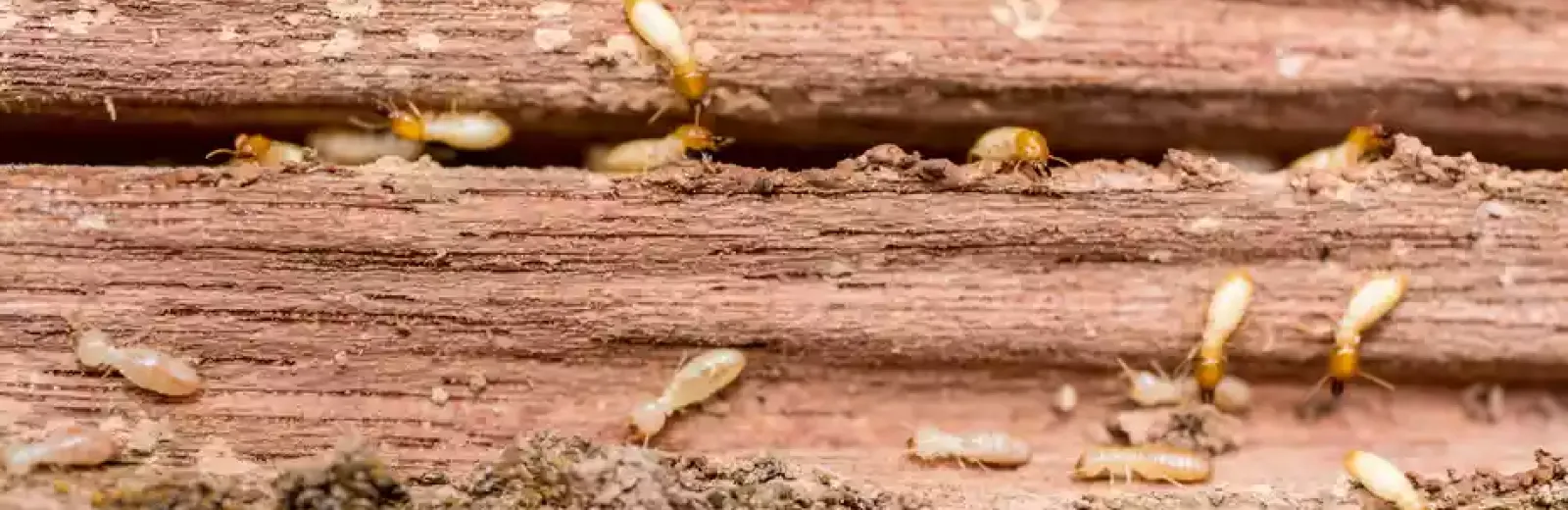
Termites are a serious threat to homes and businesses throughout Texas. With the Gulf Coast humidity, warm temperatures, and proximity to water sources like Burnet Bay and Tabbs Bay, local properties are especially vulnerable to termite activity. Understanding which types of termites are common in Baytown can help you recognize risk factors early.
Subterranean Termites
Subterranean termites are the most common and destructive termite species in Baytown, TX. These termites live underground in large colonies and build mud tubes to travel between the soil and your structure. Because they attack wood from the inside out, damage often goes unnoticed until it becomes severe.
Common signs include:
- Mud tubes along foundations or walls.
- Soft or hollow-sounding wood.
- Swarming termites in the spring.
Subterranean termites are responsible for the majority of structural termite damage in Southeast Texas.
Formosan Termites
Formosan termites are an aggressive species of subterranean termite found throughout the Gulf Coast region, including Baytown. Their colonies are significantly larger than native subterranean termites, which allows them to cause faster and more extensive damage.
They are known for:
- Massive colonies with hundreds of thousands of termites.
- Rapid wood consumption.
- Swarming at night, often attracted to lights.
Because of their aggressive nature, Formosan termites require professional treatment as soon as activity is detected.
Drywood Termites
While less common than subterranean termites, drywood termites can still pose a threat. Unlike subterranean termites, drywood termites do not require contact with soil. They live directly inside dry wood, such as framing, trim, or furniture.
Signs of drywood termites include:
- Small kick-out holes in wood.
- Piles of pellet-like droppings.
- Localized wood damage.
If you suspect termite activity in your home or business, early detection is critical. Professional inspections can identify the species involved and determine the most effective treatment approach before structural damage worsens.
Frequently Asked Questions
Do I need to have my home inspected regularly for termites?
Yes, regular inspections are crucial, especially if you live in an area with a high risk of termite activity. Annual inspections can help identify potential problems early and prevent extensive damage. Termite problems are often hidden from view, so professional inspections are the best way to spot an issue before it becomes severe.
How can I prevent termites from entering my home?
Here are a few preventive measures:
- Keep wood away from your foundation—don’t store firewood, mulch, or wood debris close to your house.
- Seal cracks and gaps in your foundation and around windows, doors, and pipes.
- Repair leaks promptly to reduce moisture in areas like basements and crawl spaces.
- Consider a termite barrier or treatment for additional protection, especially if you live in an area prone to termites.
How do termites enter my home?
Termites enter your home through small cracks or gaps in your foundation, walls, or around pipes and electrical lines. They can also find their way in through wood-to-ground contact or overexposed, untreated areas like wooden decks, fences, or firewood piles.
How long does it take termites to cause damage?
Termites can begin to cause significant damage surprisingly quickly. The exact timeframe depends on factors like the size of the infestation and the type of termites, but in general:
- Subterranean termites (the most common type) can cause visible damage in as little as 3 to 6 months in a heavily infested area. These termites typically start in hidden areas and work their way into the wood of your home, eating it from the inside out.
- Drywood termites may take several years to cause noticeable damage, as they usually infest smaller areas of wood and are more difficult to detect early on.
In the early stages of an infestation, termites often cause little visible damage. The wood they eat from the inside may look normal on the outside, making it easy for homeowners to miss the signs. However, as they continue to feed, structural damage can escalate quickly, compromising the integrity of your home’s framework. It’s crucial to address any signs of termites early, as even a small infestation can lead to significant damage if left untreated. Regular inspections can help catch potential problems before they become costly.
What are the most common types of termites?
There are three primary types of termites that can infest homes and properties: Subterranean, Drywood, and Formosan termites. Each type behaves differently, has unique characteristics, and requires different approaches to control and treatment. Subterranean termites are the most destructive and widespread type of termites in the United States!
What happens if I don’t treat a termite infestation?
If left untreated, termites can cause significant structural damage that could lead to expensive repairs. Over time, termites can weaken beams, flooring, and even the foundation of your home. Early intervention is key to preventing costly damage.
How can I tell if it’s a carpenter ant or a termite?
- Body Shape: Termites have broad, straight bodies with no defined waist; carpenter ants have a narrow, pinched waist.
- Antennae: Termites have straight antennae; carpenter ants have bent (“elbowed”) antennae.
- Color: Termites are pale or light-colored; carpenter ants are dark brown, black, or reddish.
- Wood Damage: Termites eat wood, leaving rough, mud-lined tunnels and mud tubes; carpenter ants tunnel into wood, leaving smooth galleries and piles of sawdust.
- Wings: Termite wings are equal in length and longer than their bodies; carpenter ants have larger front wings and smaller hind wings.
Still unsure? Both Carpenter ants and Termites are dangerous wood-destroying insects!
Please call us as soon as possible to schedule an inspection.